Pay in installments of $6.42 with
 ,
,
 and
and

Shipping Estimate
USA
- USA
- CAN
- USA
- CAN
Ships within 48 hours · Estimated delivery Jul 1 - Jul 6
 Promo Codes Available:
For Your Every Summer RSVP, with Code: SUMMER15
Description
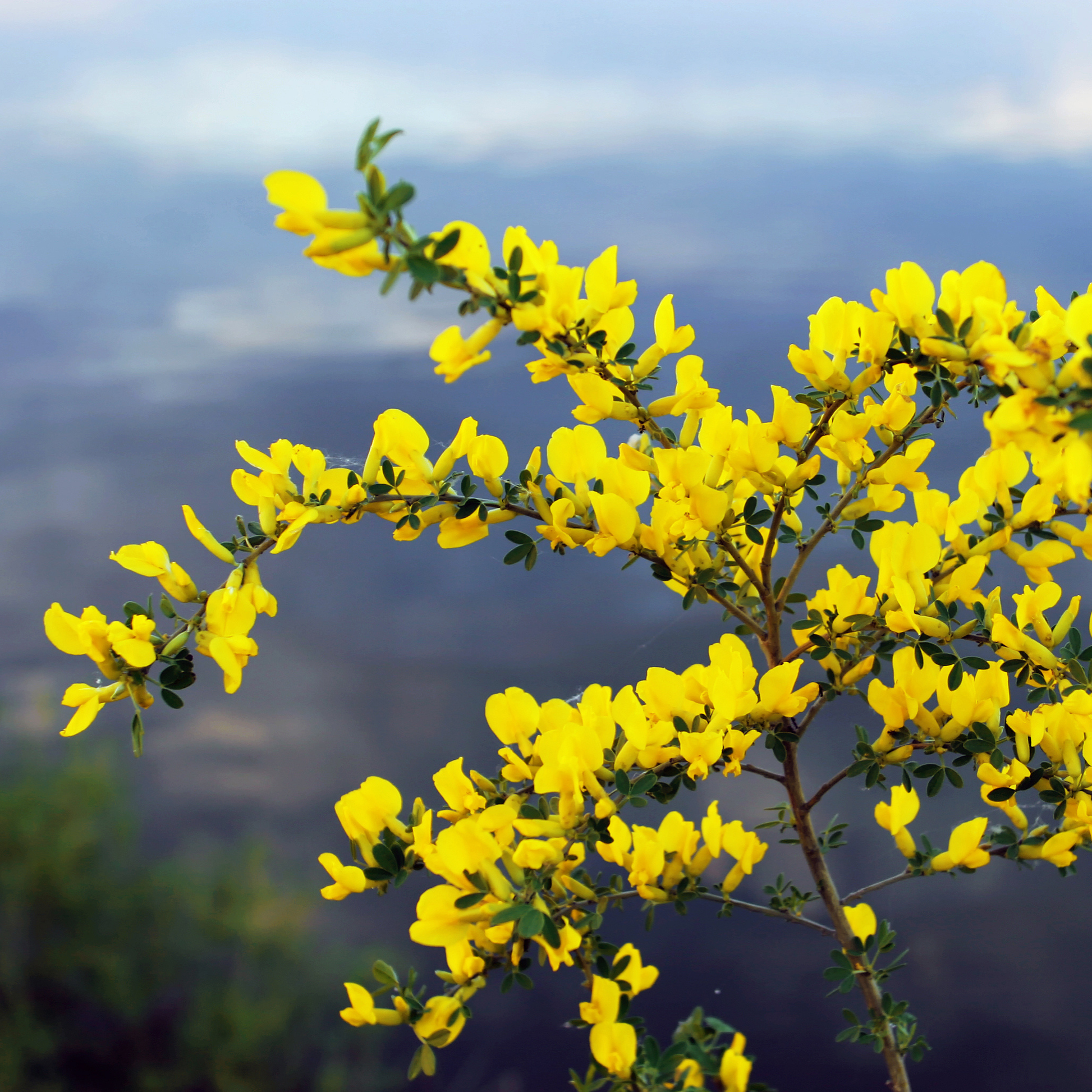
planting caragana seeds Siberian Pea Tree Tree Seeds | Siberian Peashrub | (Caragana arborescens)The hardest working shrub you have never heard of. Caragana arborescens, the Siberian Pea Shrub, is a true workhorse of the landscape. Native to Siberia and Manchuria, it thrives in extreme cold, drought, poor soils, and exposed wind where most plants fail. This nitrogen fixing, wildlife supporting shrub builds soil, provides food, and establishes quickly in challenging environments. For homesteaders, permaculture systems, and cold climate growers, it
The hardest-working shrub you have never heard of.
Caragana arborescens, the Siberian Pea Shrub, is a true workhorse of the landscape. Native to Siberia and Manchuria, it thrives in extreme cold, drought, poor soils, and exposed wind where most plants fail. This nitrogen-fixing, wildlife-supporting shrub builds soil, provides food, and establishes quickly in challenging environments. For homesteaders, permaculture systems, and cold-climate growers, it is one of the most functional plants you can add to your land.
- Exceptionally cold-hardy, thriving down to zone 2
- Nitrogen-fixing roots improve surrounding soil fertility
- Produces edible, protein-rich seeds for humans and livestock
- Early yellow flowers provide critical nectar for pollinators
- Highly drought-tolerant and adaptable to poor soils
Things You Probably Didn’t Know
It actively builds better soil.
Siberian Pea Shrub forms a symbiotic relationship with nitrogen-fixing bacteria, pulling nitrogen from the air and enriching the soil around it as it grows.
The seeds are high in protein.
The pea-like seeds contain around 36% protein and have historically been used as food and livestock feed, especially in harsh climates.
It helped fight the Dust Bowl.
The USDA planted millions of Siberian Pea Shrubs during the Great Plains Shelterbelt project to reduce wind erosion and stabilize farmland.
It feeds pollinators early.
Blooming before most shrubs, it provides an early-season nectar source that supports bees and butterflies emerging from winter.
Growing Details
- Botanical Name: Caragana arborescens
- Stratification: Recommended; scarification or 30 days cold stratification improves germination
- USDA Zones: 2–7
- Soil: Extremely adaptable; tolerates poor, dry, sandy, rocky, or alkaline soils
- Light: Full sun
- Height: 10–20 feet
- Spread: 8–15 feet
- Growth Rate: Moderate to fast (2–3 ft/year)
Plant it where nothing else survives and let it build the soil for everything that comes after.
Shipping Notes
- Free Standard Shipping on $100+ Orders to the USA.
- Except Preorder products are shipped in 48 hours.
- Delivery to the USA:
- Standard Shipping : 3-10 business days
- If time is of the essence, please consider selecting expedited delivery for faster service.
Exchange/Return Notes
- We offer a 30-day return/exchange service after receiving.
- Final sale items are not eligible for returns or exchanges.
- To process your return/exchange, please contact us at [email protected]
- Please click here for more details>>> Return & Exchange Policy